
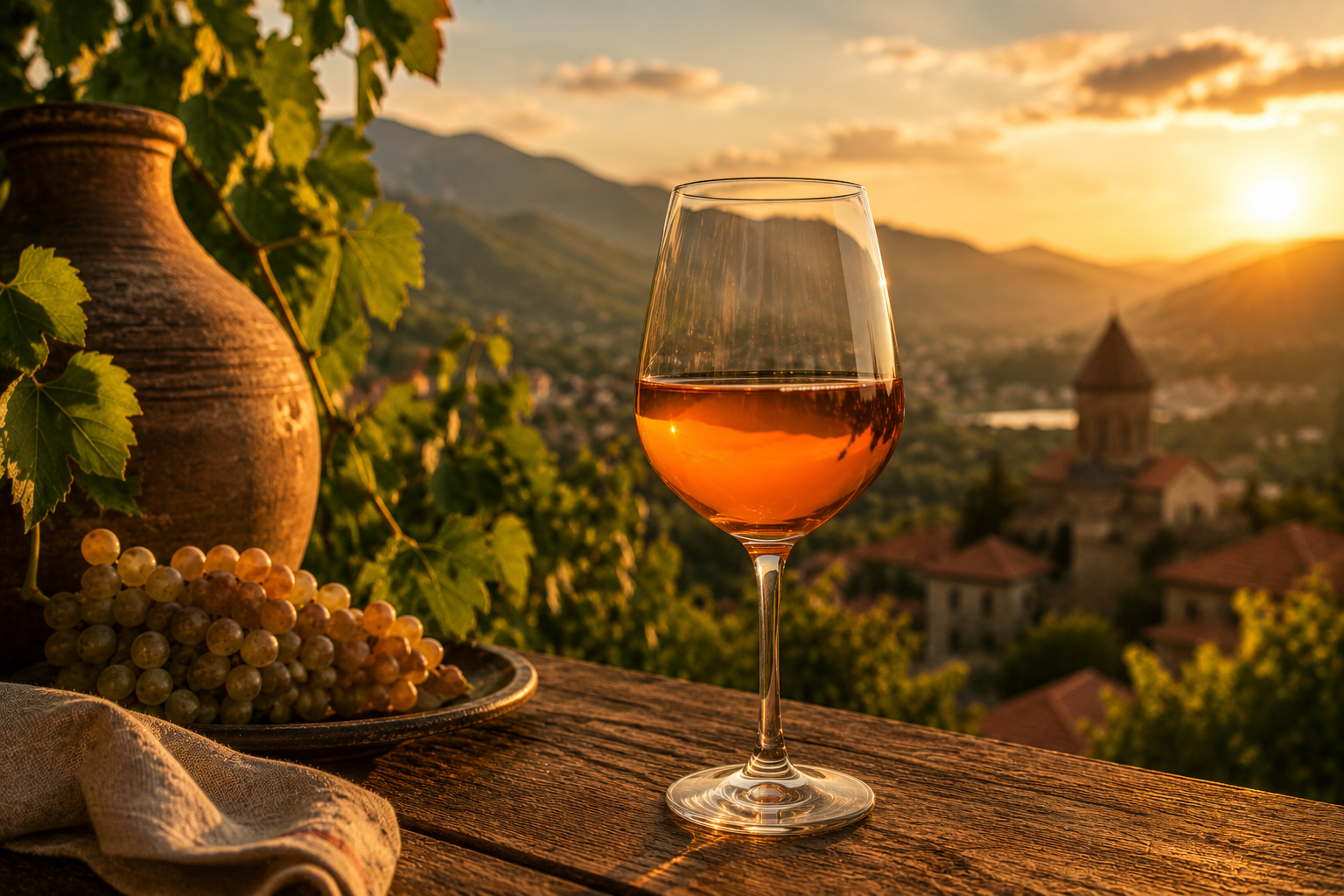
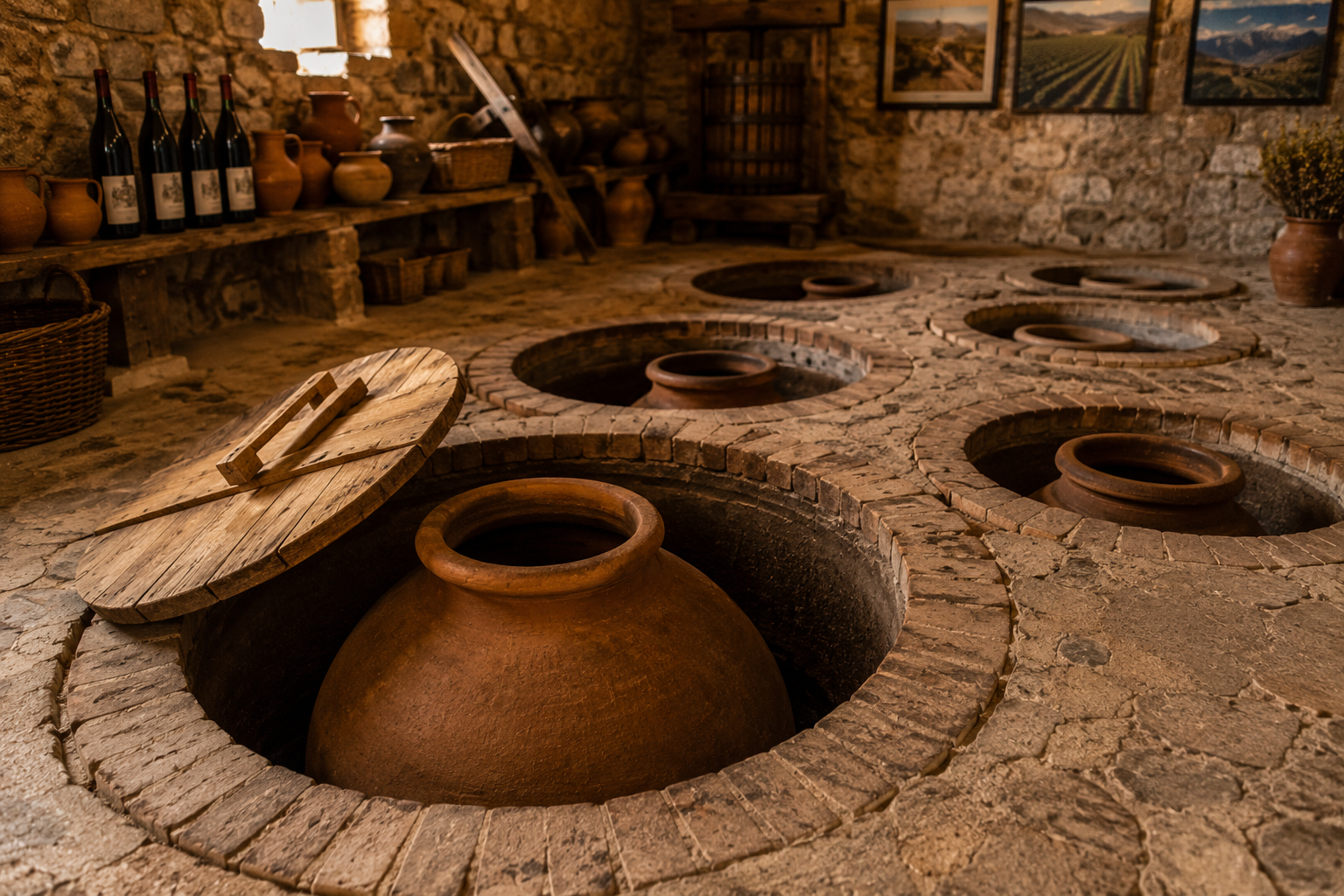
This summer may see a seasonal spike in a new sensory phenomenon that many have found both refreshing and refined in the shape of a bright enticing glass of orange wine. Amber-hued, the drink is growing in popularity not only because of its attractive glow, but also fundamental versatility. It is typically formed as the product of a unique slow-craft process in winemaking where white grapes are fermented together with the skins, and sometimes even seeds, for a while underground. Traditionally, this technique is conducted using clay pots called Qvevri where the intriguing drink is essentially a white wine though it is created via the same method as a red – known as maceration. This is when matter is soaked to extract certain flavours or elements.
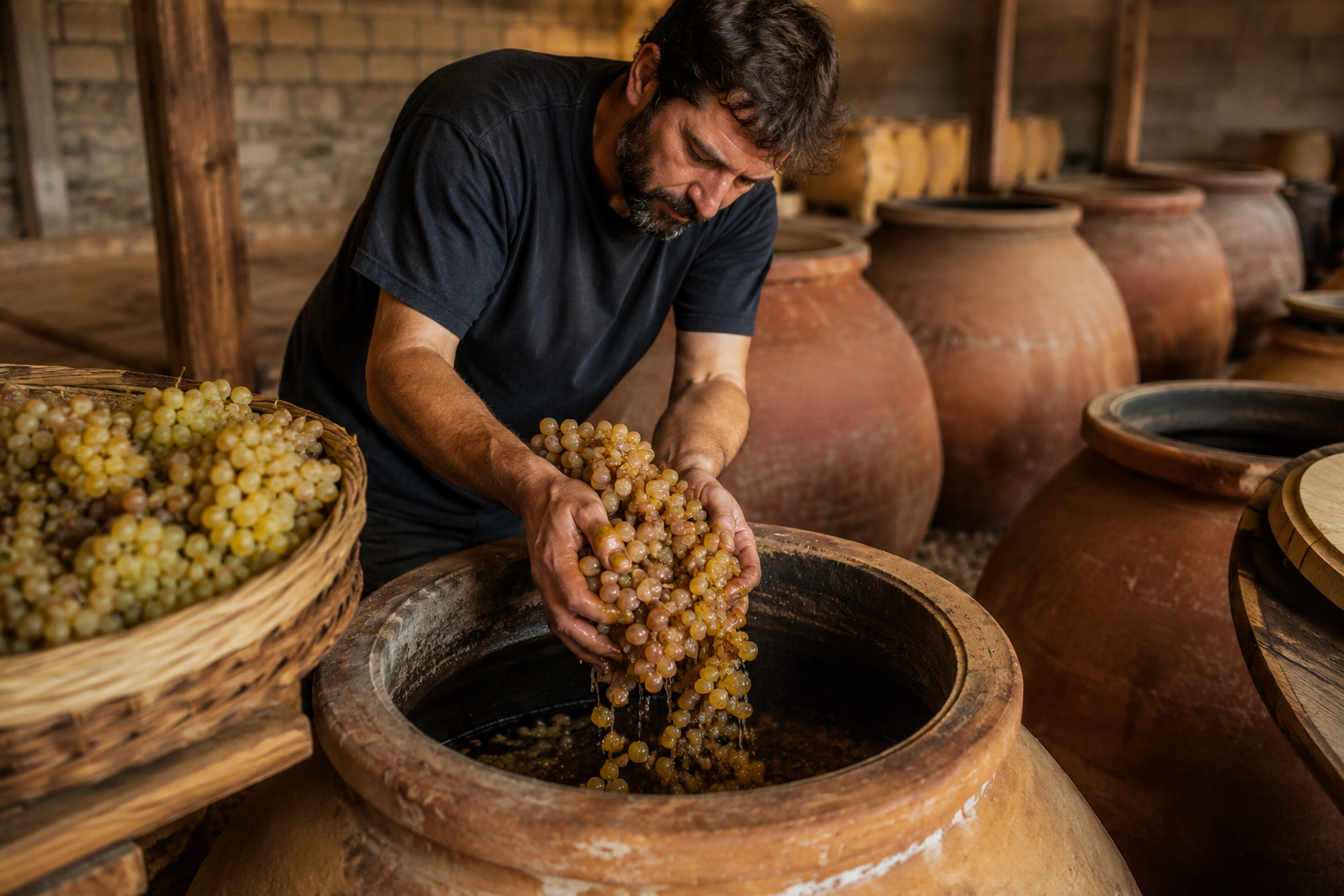
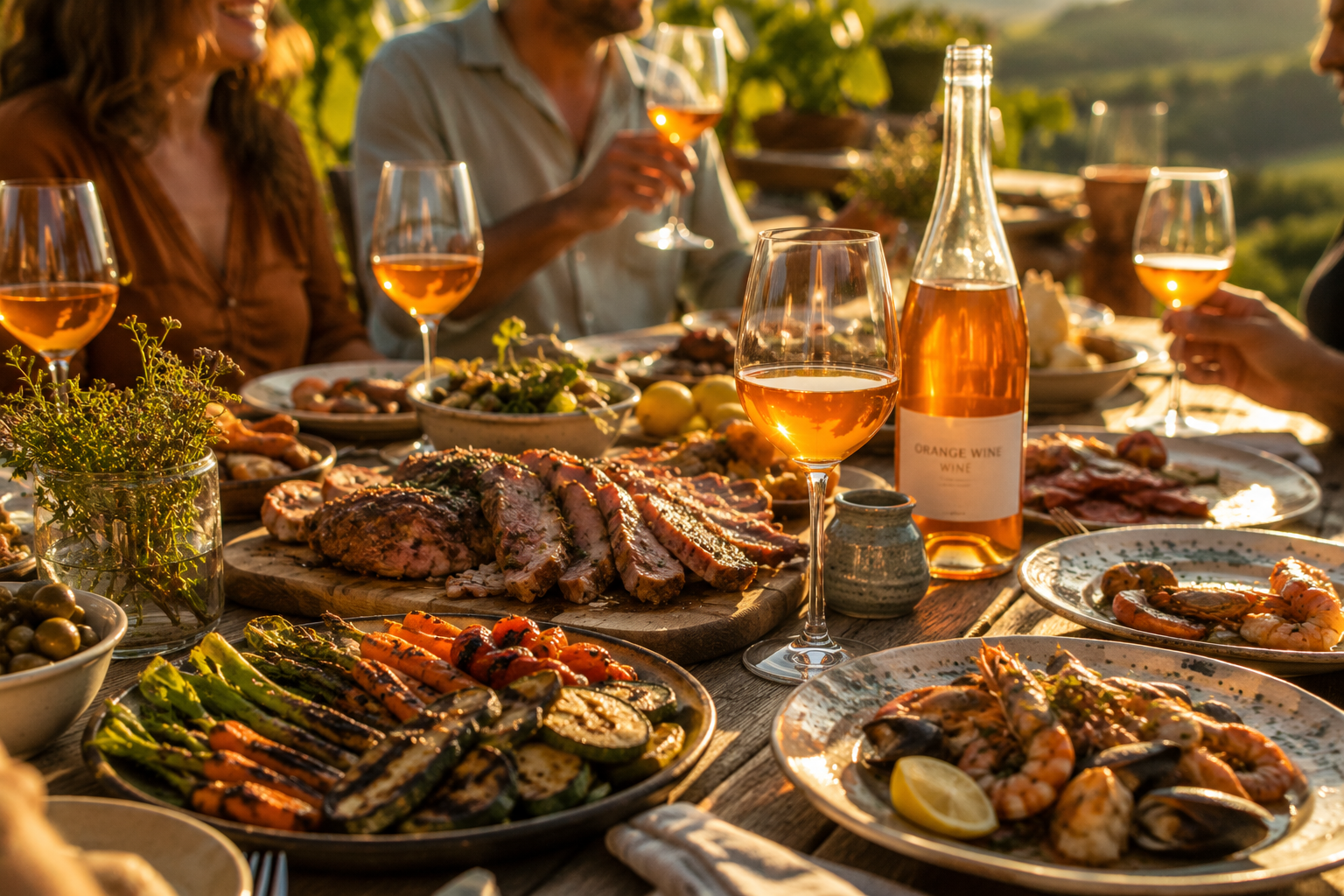
Orange is then also nominally dubbed as skin-contact wine. However, the taste and texture of orange wine is notably different to its immediate relatives as it is a veritable mixture with a solid singular character. To the palate, an orange wine is often distinctly dry and perhaps even briny, but it gradually grows on you as it clearly has done modern western society. Tannins in the drink give it a tangy edge in a similar way to red wine. The beverage can be paired beautifully with meat dishes, so bottles are likely to flow at upcoming BBQs and a variety of social gatherings. Although the drink has been in demand comparatively recently, it originates from ancient Georgia and has a history reaching back around 8,000 years, as reported by The Decanter. It is no surprise that it would go well with roast pork as this kind of cuisine is common throughout the country. However, orange wine is light and adaptable so it can be combined with many preparations, including roasted vegetables or seafood, and resonates with the rise of shared dining and sharing plates. Indeed, the taste itself seems to afford space enhancing the food that it complements. This is one of the reasons it has become the preferred choice for the younger generation who tend to be more eco-conscious. Another factor here is its organic roots which return to nature where industrial intervention in winemaking is otherwise the dominant practice.
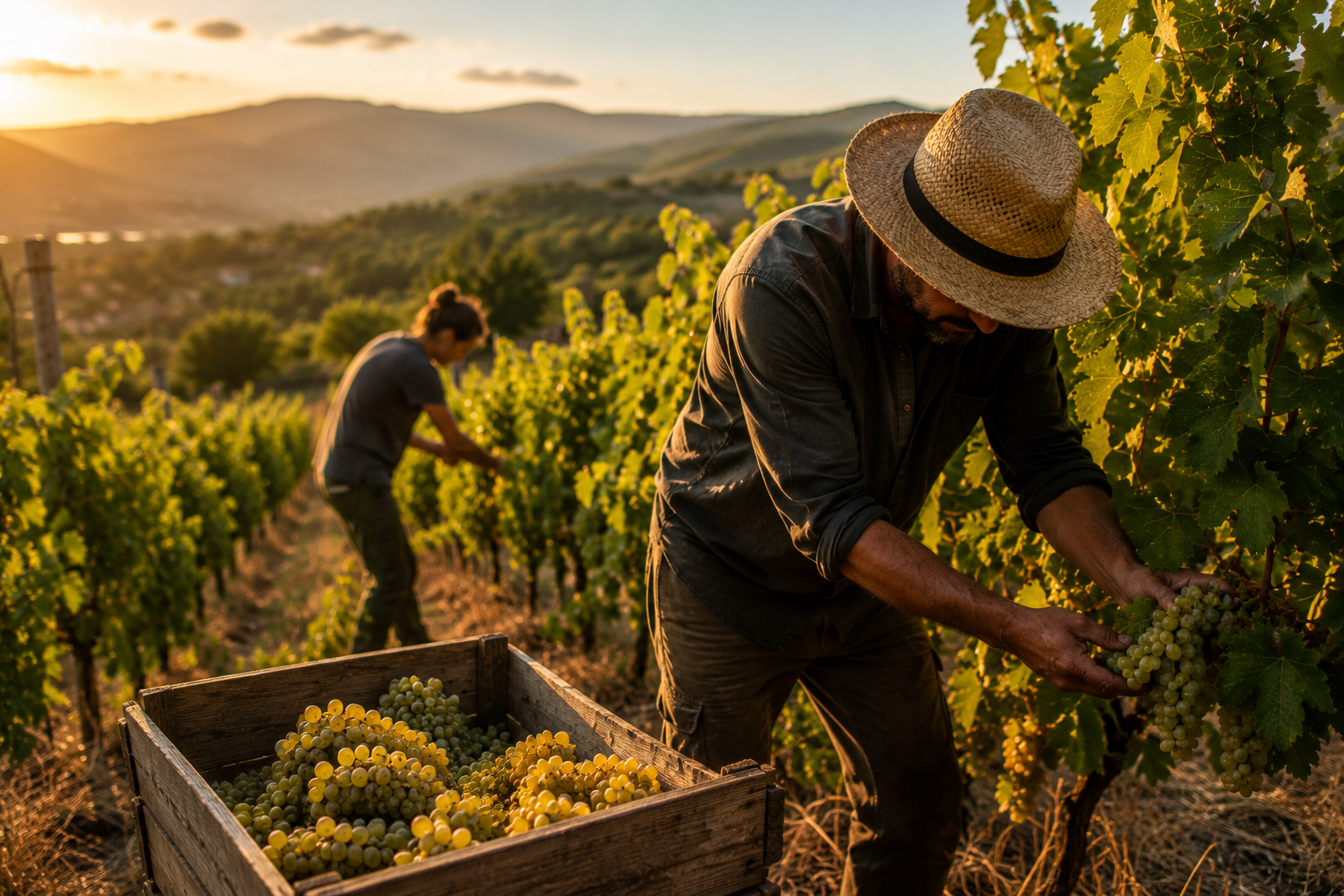
As well as embracing the earth to ferment the grapes in robust round vessels which preserves a constant temperature that is optimal for such a procedure, Georgians who still use the traditional technique, pick and crush the grapes from local vineyards growing in and around the mountainous Caucasus region in which the country is nestled. In an age where much of the world is saturated by artificial additives in chemical and social form, an appreciation for robust authenticity surges.