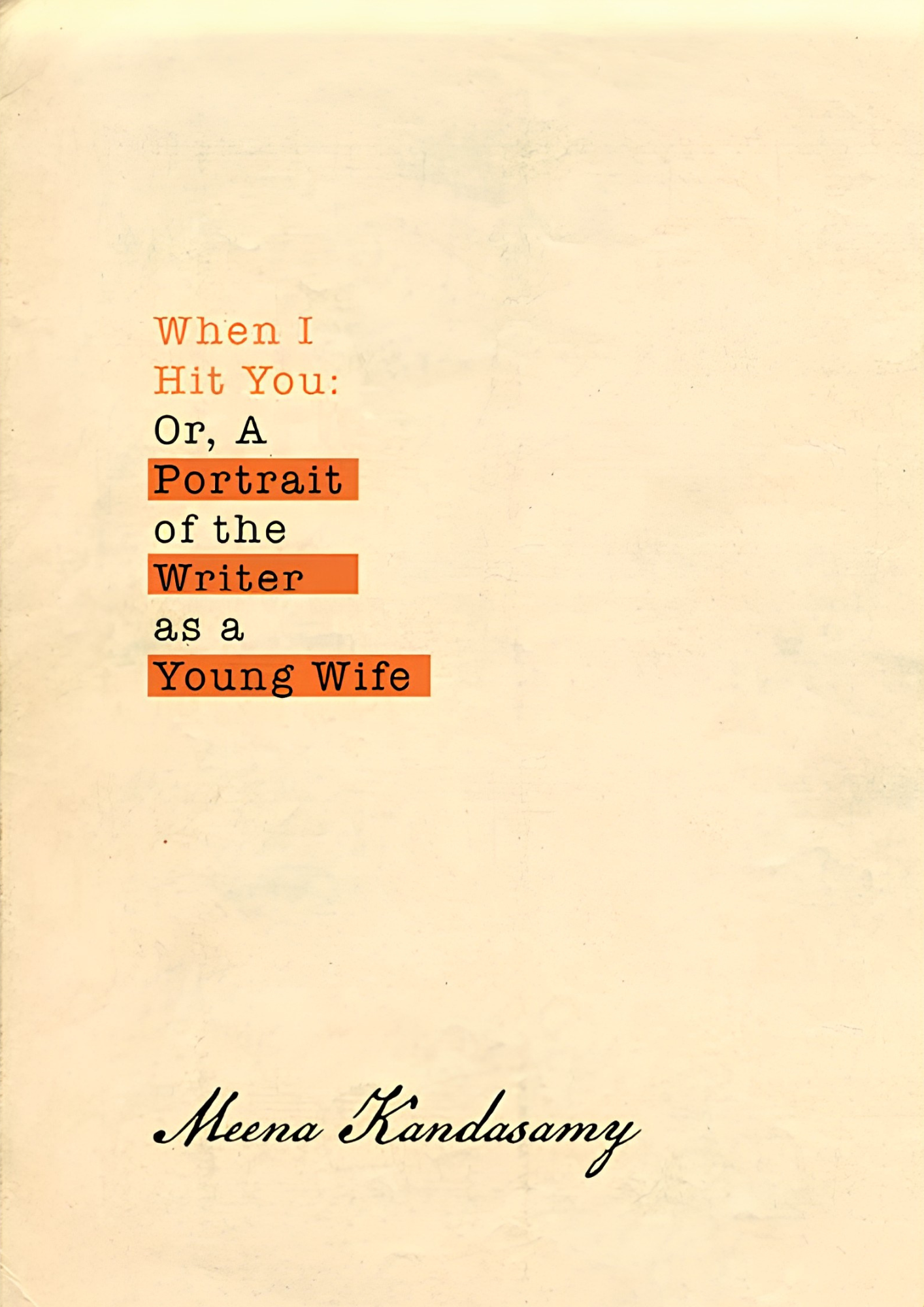
Indeed, Meena also attributes the structural soundness with which she wrote, When I Hit You, to her first – literary – love of lyricism. Obviously poetry demands brevity, and Meena “has carried this into her long-verse writing”. Her first book after the marriage was The Gypsy Goddess. Using her signature fictional fire, she has left exposed other social issues close to her heart: the inequality endured by the ‘Untouchable’ or Dalit community, with whom she identifies, and class and caste injustice within the nation. Here, Meena’s particularly significant contribution to current feminism is precisely – contextually – identified. Not only does the writer highlight the agency of an individual who can successfully rebel against their oppression in When I Hit You, but also the full responsibility of the external body who has inflicted it. Yes, she depicts the pain of her then husband’s aggressive assault on her body, academic career, love of writing, and connection to the community, but simultaneously omits huge and unexpected, chunks of the story. For example: what exactly happens after the climactic moment when she escapes, and the big interrogative hook of why she endures the violence for so long. As Meena stated: “a good writer knows not to be too dramatic, especially when this was not meant to be a sensationalised story of a very real, everyday crime.” The main point is not the simplistic take-away of abused women learning to walk away sooner or why, as one ignorant blogger writes, ‘she (Meena) does not just admit she made a mistake? Perhaps it doesn’t work with her feminist image’: it’s that being hit, held down or harangued is never, ever the woman’s fault.
If someone threatens you with psychological and physical violence, would you not also buckle – perhaps more than once?
After writing When I Hit You, a catharsis in itself, how did you seek to heal in the long-term?
Was it your incredible mind and education that helped you escape abuse?
Do you have comment on the fragile, masculine ego?