
On the wave of a rush of new optimistic predominantly progressive policies, Andy Burnham, the former mayor of Greater Manchester, and the current leader of Labour, confidently took the national floor on the 20th of July, 2026, as the UK’s new Prime Minister for the remainder of the year. Burnham succeeded Sir Keir Starmer who had been adopting an obscure centrist position that was somehow both right and left-leaning which had caused confusion to say the least. By contrast, the feeling surety with which Burnham entered his premiership embodies a socially conscious stance that is understandably welcome. However, political good-will, playing into PR and a partial commitment to endemic social matters has been a fallible gambit thus far.
As ever, what is essentially done with the momentous role over time will prove most important. By far the most popular leader in countrywide polling at the end of last month, Burnham has promised to cap bus fares at £2.00, cut additional tax or VAT on energy bills, a 20% cut in business rates for pubs, clubs, and live music venues in England starting in April 2027, and thankfully, scrap the previous Labour government’s plans to introduce digital ID based upon the dubious expensive reasoning that this would help curb illegal immigration. Burnham has also pledged to devolve national governance to empower and build local authorities and tackle homelessness as well as building more council homes to reinvent the concept of strong leadership honouring the values of collaboration, solidarity and community. There further seems to be a legitimate claim towards achieving equitability since another focus of Burnham’s is to strategically build the economy where his stomping ground of Manchester is the “city region” that “has become the fastest growing part of the UK economy with annual growth of 3.1% – more than double the rate of the country”. Indeed, Burnham has already established a second Number 10 in the major city of the North and has set on a famed “listening” tour of the UK to encounter the public and their concerns first-hand, especially in underdeveloped neglected parts of the UK. He announced he would address issues “ignored by Westminster for too long” and seek to provide much-needed everyday fixes.
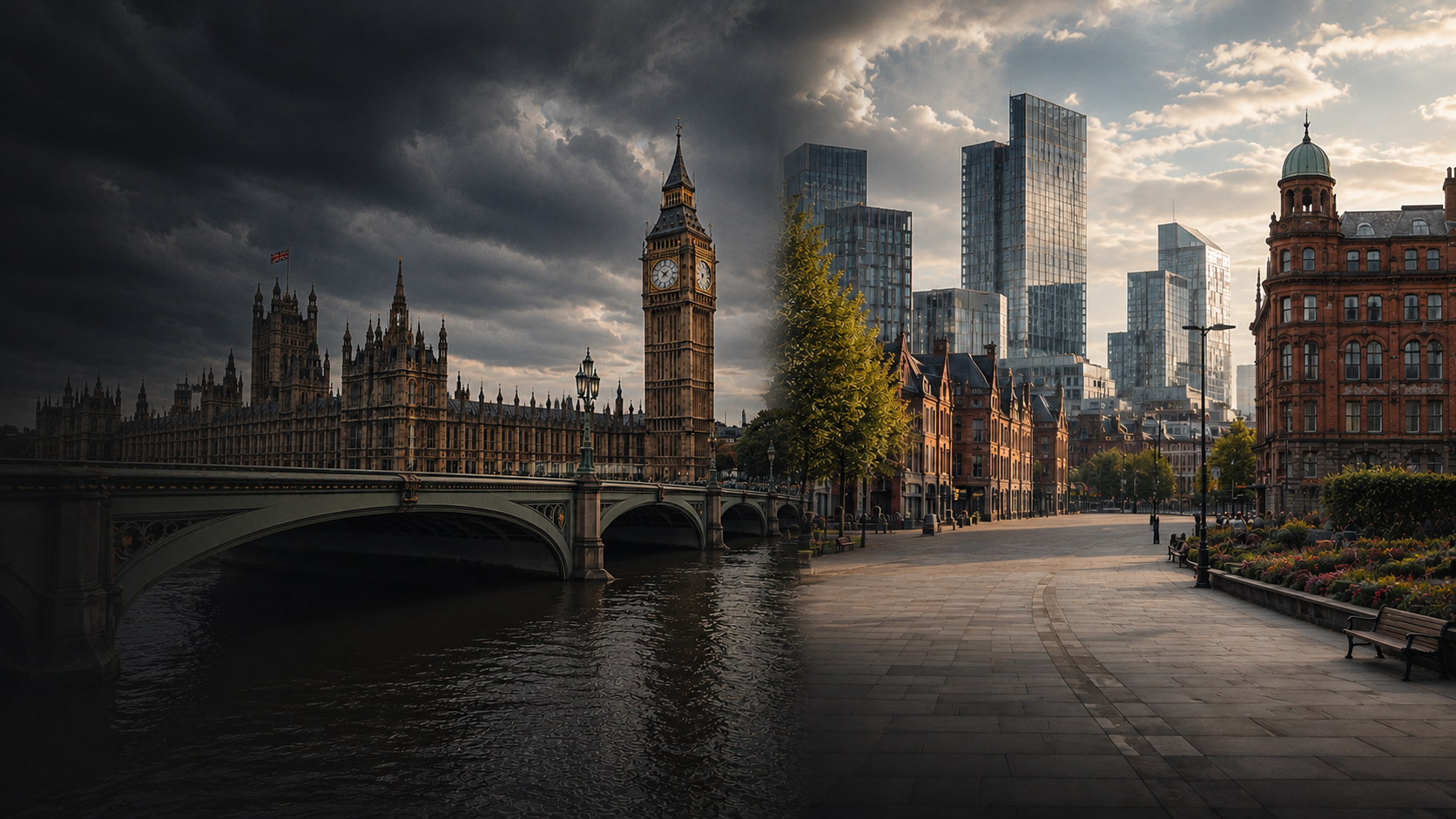
In short, he seems to emerge the Labour leader many hoped that Starmer would be: an outspoken social democrat as opposed to governance that simply flirts with that philosophy or outright rejects it – who could forget the shocking unnecessary Corbynite purge that followed Starmer’s coming to power over the party back in 2020? Burnham has openly endorsed the old socialist roots of Labour, established by Clement Attlee, who commendably created the welfare state and fought vigorously for the equality of the working-class. If you consider the current PM’s pledge to support Ukraine and the keen focus on alleviating the cost-of-living crisis, he certainly seems to have a genuine passion for people’s wellbeing. However, what reveals itself to be the redressing of deeper systemic change beyond initial signals and a political stance on the Softer Left is yet to be seen. It is worth taking note that Burnham has recently been criticised to be slow on acting upon the principle that the future is green with the Mayor of London, Sadiq Khan, and leader of the Green party, Zac Polanski, calling for an emergency Cobra Meeting regarding the environment including issues of ‘water shortages, wildfires and crop failures’ that have erupted across Europe as well as the world. At that same time, Burnham had instead approved plans to drill for oil and gas in the North Sea.
There was an alarming governmental alert ringing through phones to warn the British public about starting BBQs, but many questioned the strange superficial nature of that with domestic violence charities even warning that this could give away the location of second phones that is required for survivors to keep safe. The Prime Minister has also shown a political side that can lean into populist ideas and rhetoric, pledging to spend a significant amount on defence: an £8.4bn investment in the UK’s nuclear deterrent in the fourth phase of the UK’s Dreadnought Class submarine programme, and announcing that he would be “relentless” in tackling small boat crossings. Furthermore, Burnham has supported the Starmerite agenda of New Labour in the past. Whether or not the Prime Minister will be a true boon for progressivism or is simply the best at acting as if this is the case can only be determined by the consistent comprehensive delivery of the core values of benevolence, even during testing times. We have yet to see what Burnham will do following an official apology to Gaza, and in terms of proactive moves on enduring socio-economic inequality such as the protection of minority communities in Britain to combat the tragedy of the deaths and persecution of innocent figures such as Jason Arday. These are as much urgent matters that inform the advancement of modern British society together with better employment and protection of the socially vulnerable .